
In the world of construction, precision, quality, and accountability are everything. A single unnoticed defect can cascade into serious issues, ranging from structural failures to safety hazards and financial losses. For developers, contractors, and project managers, construction defect management isn’t just a compliance measure; it’s a vital process that safeguards both reputation and profitability.
Construction projects are complex, involving numerous teams, materials, and stages. Even with advanced planning, the chances of defects arising, whether due to design flaws, material inconsistencies, or workmanship errors, are significant. Without an efficient defect management system in place, small problems can quickly escalate into costly disputes, project delays, or even litigation.
This is where defect management in modern construction steps in as a proactive solution. Ensuring early detection, accurate reporting, and effective resolution of issues helps prevent legal complications and delays that can derail an entire project. In this article, we’ll explore how efficient defect management minimises financial risk, strengthens quality assurance, and supports timely project completion.
Understanding Construction Defect Management
Defect management in construction refers to the systematic process of identifying, recording, tracking, and resolving issues or deficiencies found during construction or post-completion. These defects can range from minor aesthetic imperfections to major structural faults that threaten a building’s safety or integrity.
A robust defect management process involves:
- Regular inspections and documentation.
- Real-time communication between teams.
- Transparent reporting and accountability.
- Root cause analysis and preventive measures.
By maintaining this structure, project teams can ensure that all issues are addressed before they turn into disputes, rework, or claims.
The High Cost of Poor Defect Management
When construction defect are ignored or poorly managed, the financial and reputational damage can be immense. Litigation resulting from construction disputes is often time-consuming and expensive, consuming both management attention and resources.
Some of the most common consequences include:
- Delays in project handover: Defects can halt work and delay occupancy permits.
- Increased costs: Rework, additional labour, and material replacement inflate budgets.
- Legal exposure: Poor documentation and delayed responses can lead to claims and lawsuits.
- Reputation damage: Clients and stakeholders lose trust in the contractor or developer.
Efficient defect management acts as an insurance mechanism, detecting and addressing issues before they spiral into large-scale problems.
Early Detection: The Foundation of Risk Prevention
The earlier a construction defect is detected, the cheaper and easier it is to resolve. Through regular inspections, digital reporting, and real-time collaboration tools, teams can identify inconsistencies at their source.
For instance, discovering improper waterproofing during foundation work is far less costly than fixing water damage months after construction is complete. Early detection also prevents compounded errors, where one small oversight leads to multiple failures across the project.
Modern construction management platforms enable site teams to log defects instantly, attach photos, assign responsibility, and monitor resolution progress, all of which help maintain project momentum.
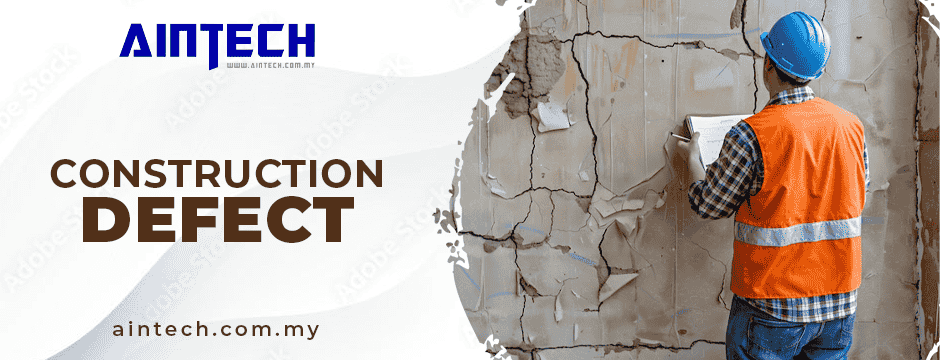
Transparency and Accountability in Communication
Miscommunication between project teams is one of the main reasons why defects go unresolved. A transparent defect management system ensures that every issue is clearly documented, assigned, and tracked until closure.
Digital tools today allow instant visibility across departments, contractors, subcontractors, and consultants can all view the status of each reported defect. This level of accountability reduces disputes and builds trust within the project team. It also ensures that responsibilities are clearly defined, minimising finger-pointing when things go wrong.
Documentation: Your Strongest Legal Defence
In the event of a dispute or legal claim, documentation becomes your strongest protection. Proper records of inspections, communications, and defect resolutions serve as evidence that due diligence was performed throughout the project lifecycle.
Comprehensive defect logs can demonstrate that the project team followed quality standards, addressed reported issues promptly, and adhered to contractual obligations. This not only reduces the likelihood of losing a case but often prevents disputes from escalating in the first place.
How Construction Defect Management Prevents Delays
Project delays are one of the most expensive consequences of poor defect handling. When multiple teams are waiting on approvals or clarifications, the entire workflow slows down.
By implementing a structured defect management process, construction managers can:
- Identify issues early through continuous inspections.
- Resolve problems efficiently by assigning tasks directly.
- Maintain project flow with real-time updates and notifications.
This proactive approach ensures that deadlines are met and that clients receive completed projects on schedule, without costly overruns.
Enhancing Quality Assurance and Client Satisfaction
Quality assurance (QA) and defect management go hand in hand. When defects are managed efficiently, the overall quality of the final product improves, leading to higher client satisfaction.
Clients value transparency, and when they see an organised process for tracking and resolving issues, it builds confidence in the contractor’s reliability. Moreover, fewer post-completion complaints translate to better relationships and more repeat business opportunities.
Leveraging Technology for Smarter Defect Management
Digital transformation has revolutionised the construction industry, and defect management is no exception. Advanced platforms now integrate features such as:
- Mobile inspections and photo documentation
- Real-time issue tracking dashboards
- Automated reports and analytics
- Cloud-based collaboration tools
These innovations help construction teams streamline their workflows, improve communication, and reduce human error. Technology also ensures that data is securely stored and easily retrievable for audits, legal compliance, and quality verification.
Building a Culture of Accountability
The most effective defect management systems are supported by a culture that values accountability and continuous improvement. Training teams to report issues promptly and take responsibility for resolutions creates a more disciplined and proactive environment.
When every stakeholder, from project managers to subcontractors, understands the importance of identifying and rectifying defects early, the result is smoother operations, fewer disputes, and stronger outcomes.
Partnering for Precision: How Aintech System Ensures Quality and Risk-Free Construction
At Aintech System, we understand that defect management in construction is not merely a process; it’s a commitment to excellence. Our mission is to empower developers, contractors, and stakeholders with intelligent digital solutions that ensure project integrity and mitigate risk at every stage.
We provide innovative construction management technologies designed to streamline inspection, reporting, and communication between teams. With our expertise, you can track progress in real time, detect issues before they escalate, and document every step with precision.
Our approach focuses on transparency, accountability, and data-driven decision-making, enabling projects to stay on schedule and within budget. We believe that when every detail is monitored, managed, and measured, excellence naturally follows.
With Aintech System by your side, you’re not just avoiding costly litigation and delays; you’re building smarter, safer, and more sustainable projects.
Final Thoughts
In a fast-paced and highly regulated construction environment, managing defects effectively isn’t optional; it’s essential. Construction defect management safeguards against costly litigation, ensures timely delivery, and enhances overall project quality.
By investing in proper systems and adopting digital tools, builders can protect their interests, maintain client trust, and deliver excellence every time.
Ultimately, defect management isn’t just about fixing flaws; it’s about building confidence, ensuring accountability, and creating structures that stand the test of time.